Toni Morrison was an American novelist, essayist, and all-around literary badass. She was known for her rich, poetic prose and her ability to tackle weighty topics like race, gender, and identity with both nuance and humor. Her books have won countless awards and accolades, but perhaps her greatest achievement was convincing the world that “Beloved” is not just a novel, it’s a way of life. If you haven’t read her work yet, you’re missing out on some seriously good writing – and the chance to impress your friends by dropping phrases like “re-memory” and “the hauntedness of slavery” into casual conversation.
“Writing before dawn began as a necessity—I had small children when I first began to write and I needed to use the time before they said, Mama—and that was always around five in the morning. Many years later, after I stopped working at Random House, I just stayed at home for a couple of years. I discovered things about myself I had never thought about before. At first I didn’t know when I wanted to eat, because I had always eaten when it was lunchtime or dinnertime or breakfast time. Work and the children had driven all of my habits . . . I didn’t know the weekday sounds of my own house; it all made me feel a little giddy.
“I was involved in writing ‘Beloved’ at that time—this was in 1983—and eventually I realized that I was clearer-headed, more confident and generally more intelligent in the morning. The habit of getting up early, which I had formed when the children were young, now became my choice. I am not very bright or very witty or very inventive after the sun goes down.
“Recently I was talking to a writer who described something she did whenever she moved to her writing table. I don’t remember exactly what the gesture was—there is something on her desk that she touches before she hits the computer keyboard—but we began to talk about little rituals that one goes through before beginning to write. I, at first, thought I didn’t have a ritual, but then I remembered that I always get up and make a cup of coffee while it is still dark—it must be dark—and then I drink the coffee and watch the light come. And she said, Well, that’s a ritual. And I realized that for me this ritual comprises my preparation to enter a space that I can only call nonsecular . . . Writers all devise ways to approach that place where they expect to make the contact, where they become the conduit, or where they engage in this mysterious process. For me, light is the signal in the transition. It’s not being in the light, it’s being there before it arrives. It enables me, in some sense.
I tell my students one of the most important things they need to know is when they are their best, creatively. They need to ask themselves, What does the ideal room look like? Is there music? Is there silence? Is there chaos outside or is there serenity outside? What do I need in order to release my imagination?”
—Toni Morrison
Check this out folks! The delightful assortment of mini-tales featured in this piece, aptly named ‘Life in No Order’, were crafted from a nifty set of writing prompts courtesy of Reedsy. No need to rack my brain for a topic, oh no! I simply sauntered over to their website, picked a prompt, and let my fingers do the talking. And let me tell you, whether it was the crack of dawn or the dead of night, if my noggin was feeling a little mushy, I just had to cast my net a little wider. It’s as easy as pie, my friends! The moral of the story? When in doubt, don’t pout – just scout!
Are you tired of staring at a blank page, struggling to find the perfect words to express your thoughts? Have you tried everything from coffee to candles to watching the sunrise to get your creative juices flowing, but nothing seems to work? Fear not, my fellow wordsmiths, for I have the solution to your problem: a writing ritual. Well, me and Toni Morrison; two badass melanated writers.
Now, I know what you’re thinking. “A writing ritual? That sounds like some New Age nonsense.” But hear me out. Having a writing ritual can actually make a big difference in your productivity and creativity as a writer. And it doesn’t have to involve crystals or chanting (unless that’s your thing). I am always ready to give new age business a go because why not? So yeah, I bought me some crystals and sage. I’m in that era!
A writing ritual can be as simple as brewing a cup of tea before you sit down to write, or lighting a scented candle to create a relaxing atmosphere. It can be listening to your favorite music, doing a quick meditation, or even just putting on a silly hat to get yourself in the right mindset. It can be a quick stretch, heck, even an argument (please don’t) or, like Toni, getting up before light breaks.
But why is having a writing ritual so important? Well, for one, it helps signal to your brain that it’s time to get to work. Just like Pavlov’s dogs salivated at the sound of a bell, your brain will start to associate your writing ritual with the act of writing, making it easier to slip into a state of flow.
In the zone
Do you know that feeling when everything just clicks, your mind and body are in perfect sync, and you feel like a superhero? That’s right, it’s the state of flow, baby!
When you’re in the zone, you could conquer the world. You could run a marathon without breaking a sweat, solve a Rubik’s cube in under a minute, or even write an entire novel in a day (okay, maybe not that last one, but you get the point).
It’s like all the stars align and you become the chosen one, the Jedi master, the Beyoncé of your own life. You’re unstoppable, unbreakable, and untouchable.
You know you’re in the state of flow when time flies by like a rocket ship on steroids. You look at the clock, and suddenly it’s midnight, and you haven’t even had dinner yet. But who needs food when you have the power of flow?
In fact, you become so engrossed in whatever task you’re doing that you forget about the world around you. Your phone could be ringing off the hook, your boss could be yelling at you, and your house could be on fire, and you wouldn’t even notice.
But the best part about being in the state of flow? The absurd things you can achieve. You could suddenly become a master chef, creating a gourmet meal out of a can of beans and a packet of ramen noodles. Or you could become a dance sensation, busting moves that would make even Michael Jackson jealous.
So if you ever find yourself in the state of flow, cherish it, my friend. It’s a magical place where anything is possible, and the world is your playground. Just don’t forget to come up for air and eat some real food once in a while.
Not only that, but a writing ritual can also help you get over any mental blocks or resistance you may be feeling. By having a set routine, you’re taking the decision-making out of the equation and allowing yourself to focus solely on the act of writing.
Plus, let’s be real, having a writing ritual is just plain fun. Who doesn’t love the idea of sipping a martini before they start typing away? Hello drunk writers. Hi there high poets. I’m speaking to you.
My dear writer friends, I implore you to give a writing ritual a try. It may just be the missing piece of the puzzle that unlocks your full creative potential. And who knows, you might even discover a new love for fedoras or incense along the way.
Not in the zone
As a society, we often romanticize the idea of inspiration and creativity as something that should come to us effortlessly, like a divine gift bestowed upon the chosen few. However, the reality is that inspiration is not always readily available, and trying to force it can do more harm than good. In fact, it is essential to recognize the importance of not forcing inspiration when you are not in the flow.
When we try to force inspiration, we can become frustrated and demotivated. It can be tempting to keep pushing ourselves, thinking that if we just keep going, we’ll eventually have a breakthrough. However, this approach can lead to burnout and a sense of helplessness.
Instead, it’s important to accept that inspiration is not always available on demand. Sometimes, we need to step back and allow ourselves to recharge and refocus. This might mean taking a break, engaging in a different activity, or simply giving ourselves permission to take a pause and regroup.
When we allow ourselves to take a step back, we open ourselves up to new perspectives and experiences that can spark inspiration. We might find inspiration in nature, art, music, or simply in the act of slowing down and being present in the moment.
Moreover, when we force ourselves to be creative, we run the risk of producing work that is uninspired and lackluster. True inspiration comes from a place of authenticity and passion, not from a sense of obligation or pressure to perform.
In a society that values productivity and achievement, it can be challenging to accept that sometimes, we need to slow down and take a break. However, by embracing this idea, we can actually become more productive and creative in the long run. When we give ourselves the time and space to recharge, we come back to our work with renewed energy and a fresh perspective.
In conclusion, the importance of not forcing inspiration when you are not in the flow cannot be overstated. By recognizing that inspiration is not always readily available and allowing ourselves to take a step back when we need to, we can avoid burnout, produce more authentic and inspired work, and ultimately achieve greater success. Rather than trying to force inspiration, let us embrace the natural ebb and flow of creativity and allow ourselves the time and space to find inspiration in unexpected places.
As human beings, we all experience times when we lack inspiration and motivation. Whether it is in our personal or professional lives, we may find ourselves stuck in a rut, unable to find the drive to pursue our goals and dreams. In such situations, it can be easy to give up and succumb to the feeling of hopelessness. However, I firmly believe that there are several steps one can take to overcome these feelings and regain inspiration and motivation.
First and foremost, it is essential to identify the root cause of our lack of inspiration. Is it due to a lack of clarity about our goals or a feeling of being overwhelmed? Are we simply tired and in need of rest and relaxation? Once we identify the underlying issue, we can take the necessary steps to address it.
If we are feeling overwhelmed, we can break down our goals into smaller, more manageable tasks. By focusing on one task at a time, we can make progress toward our larger goal without feeling bogged down. Similarly, if we are feeling burnt out, taking a break and engaging in self-care activities can help us recharge and come back to our tasks with renewed energy.
Another effective strategy is to seek inspiration from external sources. This can involve reading books, watching movies or documentaries, listening to music, or engaging in other activities that stimulate our creativity and imagination. By exposing ourselves to new ideas and perspectives, we can break free from our mental blocks and find new inspiration.
In addition to seeking external inspiration, it is also essential to cultivate a positive mindset. This involves focusing on the present moment, practicing gratitude, and reframing our negative thoughts into positive ones. By adopting a positive attitude, we can overcome feelings of hopelessness and cultivate a sense of optimism and resilience.
Finally, it is crucial to surround ourselves with supportive people who can offer encouragement and motivation. This can include friends, family members, mentors, or colleagues who share our goals and aspirations. By connecting with others who understand our struggles, we can draw strength and inspiration from their experiences and perspectives.
In conclusion, overcoming a lack of inspiration and motivation requires a combination of self-reflection, external stimulation, positive thinking, and social support. By taking these steps, we can break free from our mental blocks and find renewed energy and motivation to pursue our goals and dreams.
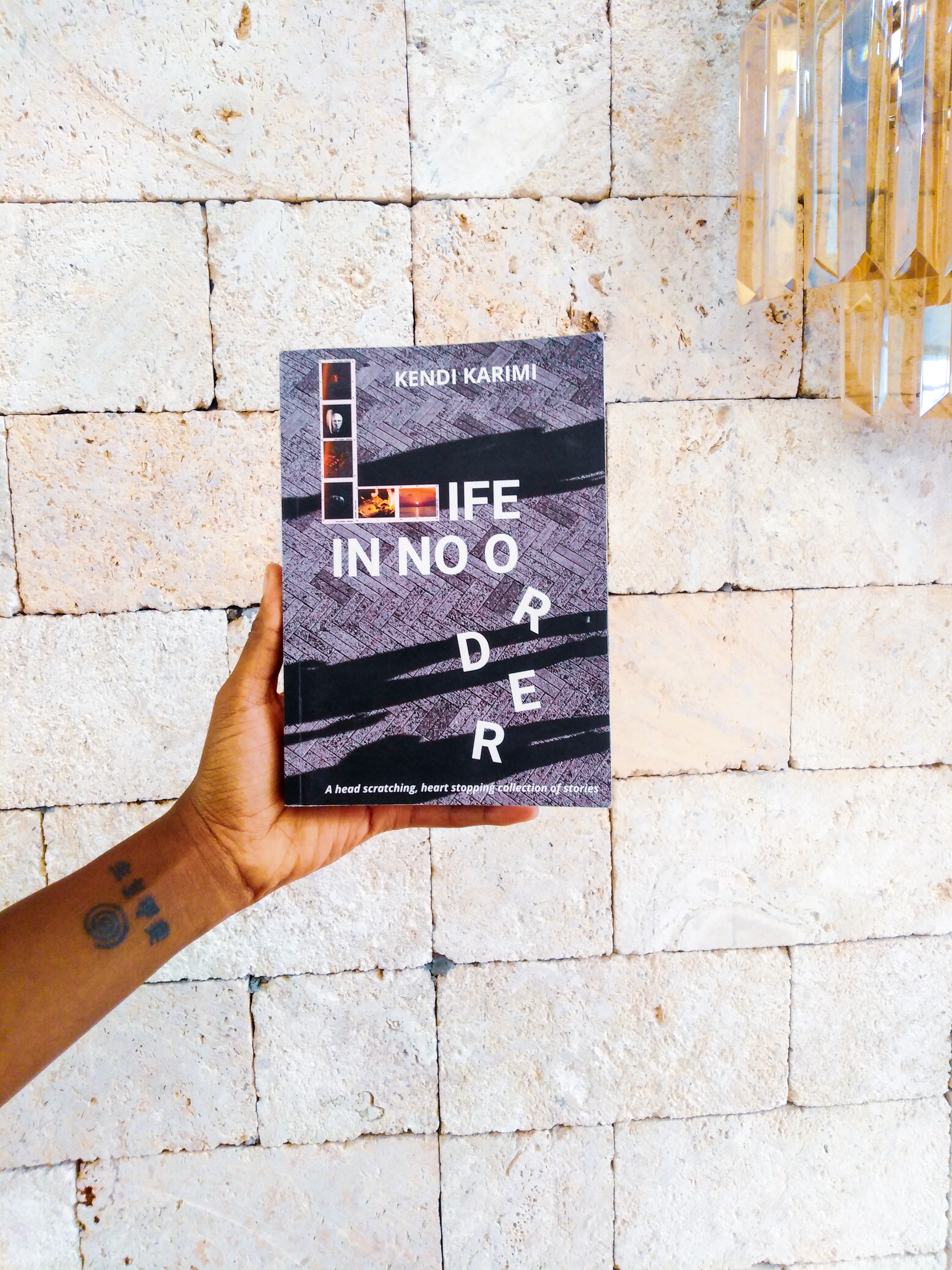
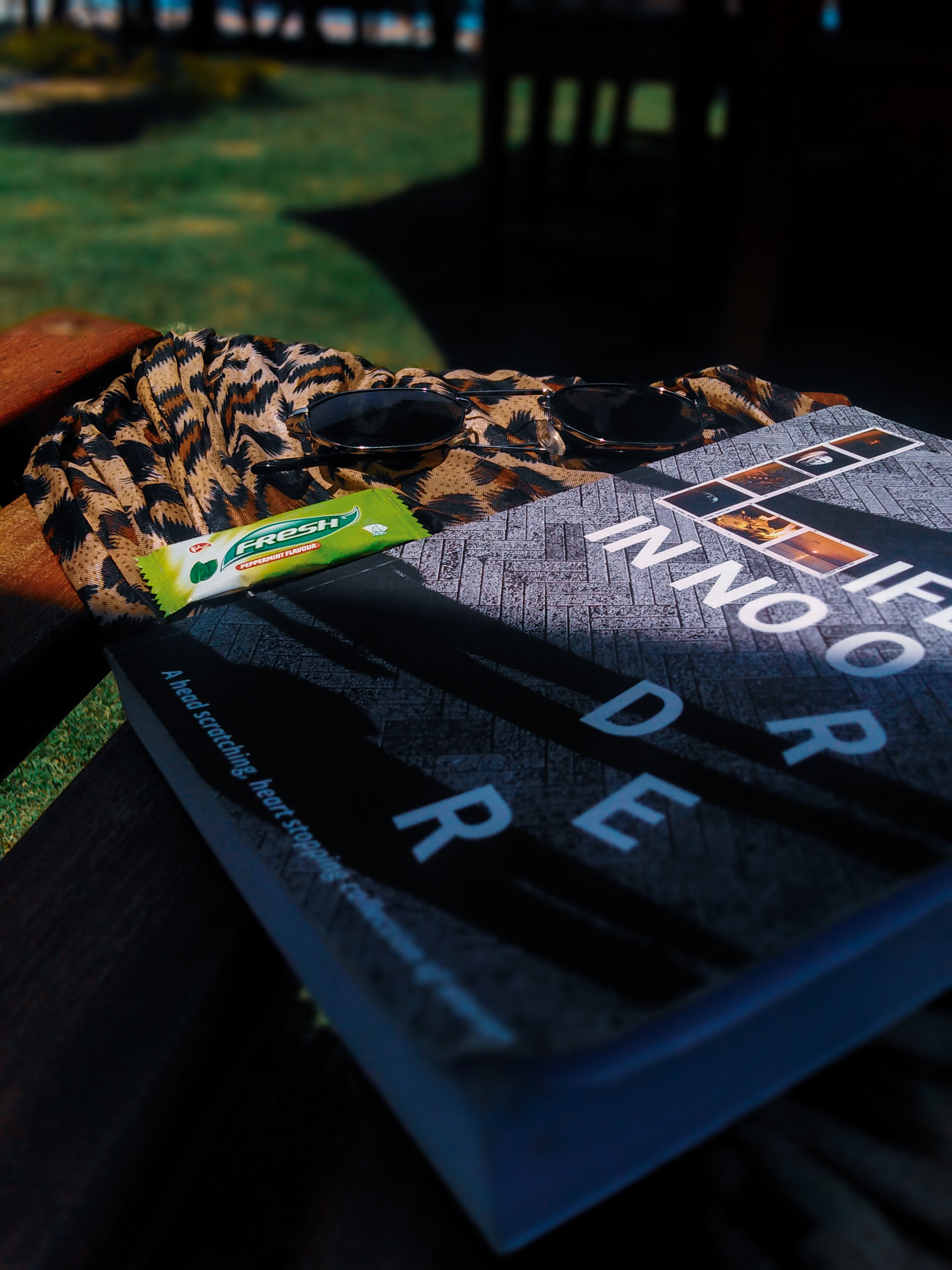
Buy the book below on Amazon and read what Reedsy inspired in me when I was in dire need of inspiration. PS: Two of these stories have been shortlisted for prestigious awards. I mean, no flow but thank you God! Now do you get what I mean? Inspiration is everywhere.
Let’s go where the light does not reach. There’s a forest in Japan that swallows sound. Aokigahara, the suicide forest. So quiet you can hear the trees creaking. Mourning those who have gone there to disappear. Compasses don’t work. No roots grow deep in this forest at the base of
The water has no mind to retain the image cast upon it. Suffering, according to my understanding, is untranslated desire. Simply put, you wanted something to go left, it went right, and now you suffer in your own mind. The human experience is an intricate tapestry woven with threads of
Shortlisted For The Wakini Kuria Prize For Children’s Literature in 2021 Mama looked so pretty that day. No one would have suspected that we had slept hungry the previous day. Daddy didn’t come home again but mama didn’t seem too broken down by this that day. When I went out
I My secret is placed on your cheekand mistakes have blown with the windin this place where we’re in a kissI blow you my love, and when it lands on your cheekit’s my heart that next wants a kissit’s my lips that call out to your lipsand my hands are
 Skip to content