Consciousness and Religion: The Intersection of the Human Experience
14–21 minutes
In recent years, there have been multiple instances of African pastors and religious leaders taking actions that have been deemed questionable and harmful to their followers. Four such instances are the actions of Kenyan Pastor Paul Mackenzie, Congolese Prophet Dominique Khonde, Zimbabwe-based clergyman Pastor Tito Wats and Pastor Bafomba Willy Emeka. Oh, we are ripping that religious bandaid love. Settle.
These actions by the three pastors highlight a larger issue in African society – the unchecked power that religious leaders wield. In many African countries, religion plays a significant role in people’s lives, and religious leaders are often seen as powerful figures who can perform miracles and solve problems. However, this power can be easily abused, and religious leaders can use their influence to manipulate and exploit their followers. Whether it be for selfish narcissistic reasons or for money-greedy ambitions or power-hungry appetites, these so-called prophets of God lead fools to death and rob their congregation with eyes wide open. When I say fools, I mean, fools.
The impact of these actions is profound. The false promises of miracles leave people disillusioned and vulnerable to exploitation. Furthermore, the blind loyalty of followers encourages the perpetuation of harmful practices, as people continue to support their leaders regardless of their actions.
It is time for African societies to take a critical look at the role of religious leaders in their communities. Governments must do more to regulate religious institutions and hold leaders accountable for their actions. They must not abuse neither power nor name of God for selfish gain. At the same time, people must be educated about their rights and empowered to speak out against abuse and exploitation. Furthermore, I personally feel like people are not conscious enough to have faith in their own beliefs individually without a physical tether that ‘assures’ them they are on the right path. There is no assurance in faith. That’s why it’s called faith. Only then can we hope to create a society where religious leaders are held accountable, and their followers are protected from harm.
It is time for people to become more conscious and aware of their own actions.
The harm caused by blind faith in false prophets is multifaceted. First, these religious leaders often engage in financial exploitation, where they use their followers’ contributions to fund lavish lifestyles and personal businesses. This deprives vulnerable people of their hard-earned resources and keeps them in a cycle of poverty, case and point, Zimbabwe-based clergyman Pastor Tito Wats who sold people $500 tickets to heaven.
“Jesus Christ appeared to me and gave me the tickets made of pure gold so that I can sell to people who want salvation…I am being persecuted because of doing the work of God.”
Pastor Tito Wats
Irony? Protestors have taken to the streets demanding his release from police custody. Who among them has gone to heaven and confirmed the pastor’s theory? None. Has he himself been there? No. In this case, you have the government taking action but the people failing themselves.
No one can guarantee access to heaven or offer shortcuts to salvation. People need to stop looking outside of themselves for God. The concept of God as a separate entity from humanity is a human construct and the true nature of reality is interconnectedness. Anyone sent by God will not charge you a dime for entry into heaven because, as the good Bible says, even the poor and wretched are welcome into the kingdom of God.
"Blessed are the poor in spirit, for theirs is the kingdom of heaven." (Matthew 5:3)
"Blessed are those who hunger and thirst for righteousness, for they will be filled." (Matthew 5:6)
These passages suggest that those who are humble, seeking righteousness, and have a deep spiritual hunger are welcome in the kingdom of heaven, regardless of their material wealth or status. These verses do not in any way mean that you starve yourself physically, for that, my friend, is murder, like in the case of Kenyan pastor, Paul Mckenzie, and suicide for his followers.
"Beware of false prophets, who come to you in sheep's clothing but inwardly are ravenous wolves. You will know them by their fruits. Are grapes gathered from thorns, or figs from thistles? In the same way, every good tree bears good fruit, but the bad tree bears bad fruit." (Matthew 7:15-17)
Above is another illustration of how the Bible challenges believers to have mature, educated faith. I quote these verses not as a Christian but as a journalist.
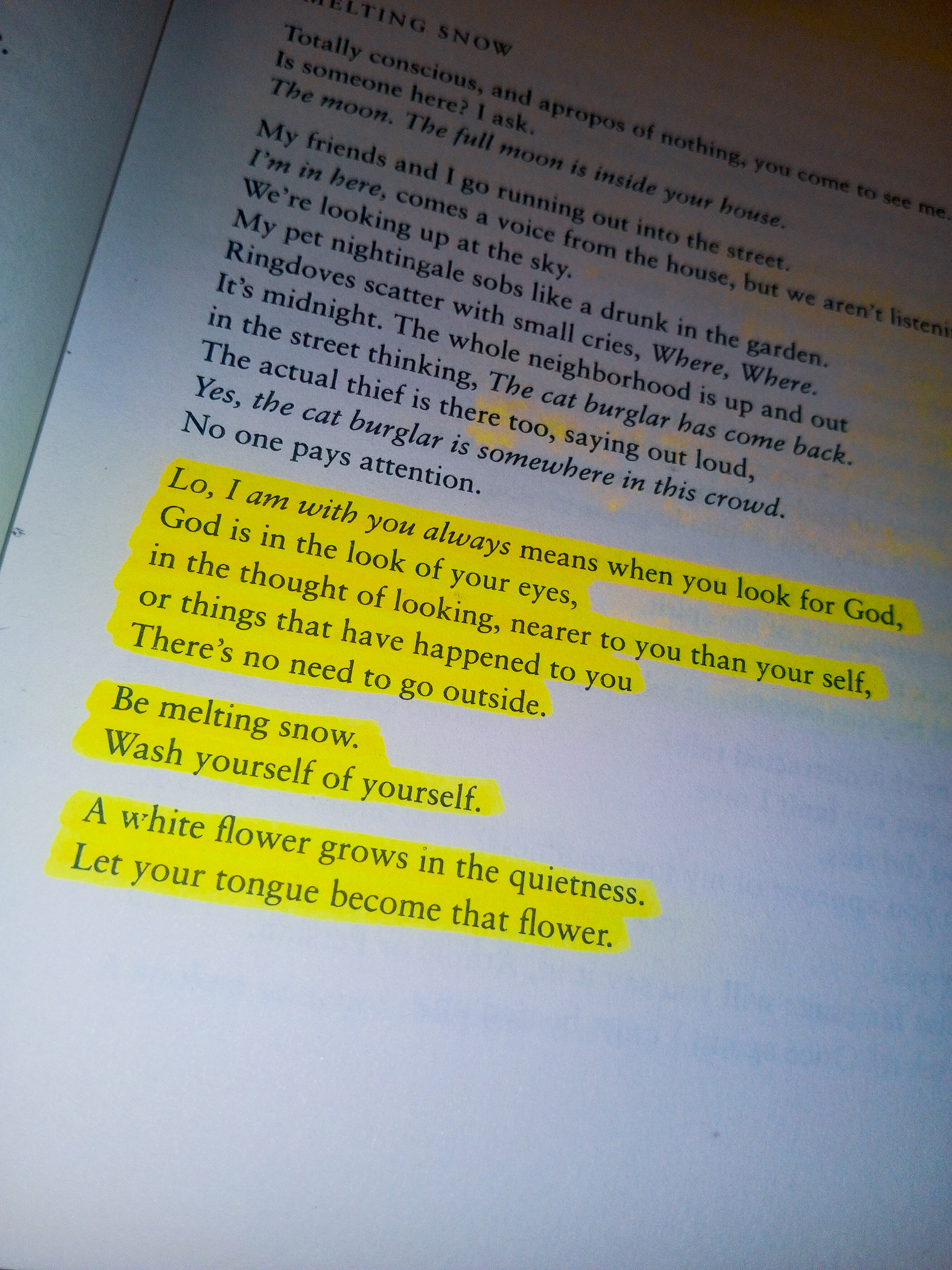
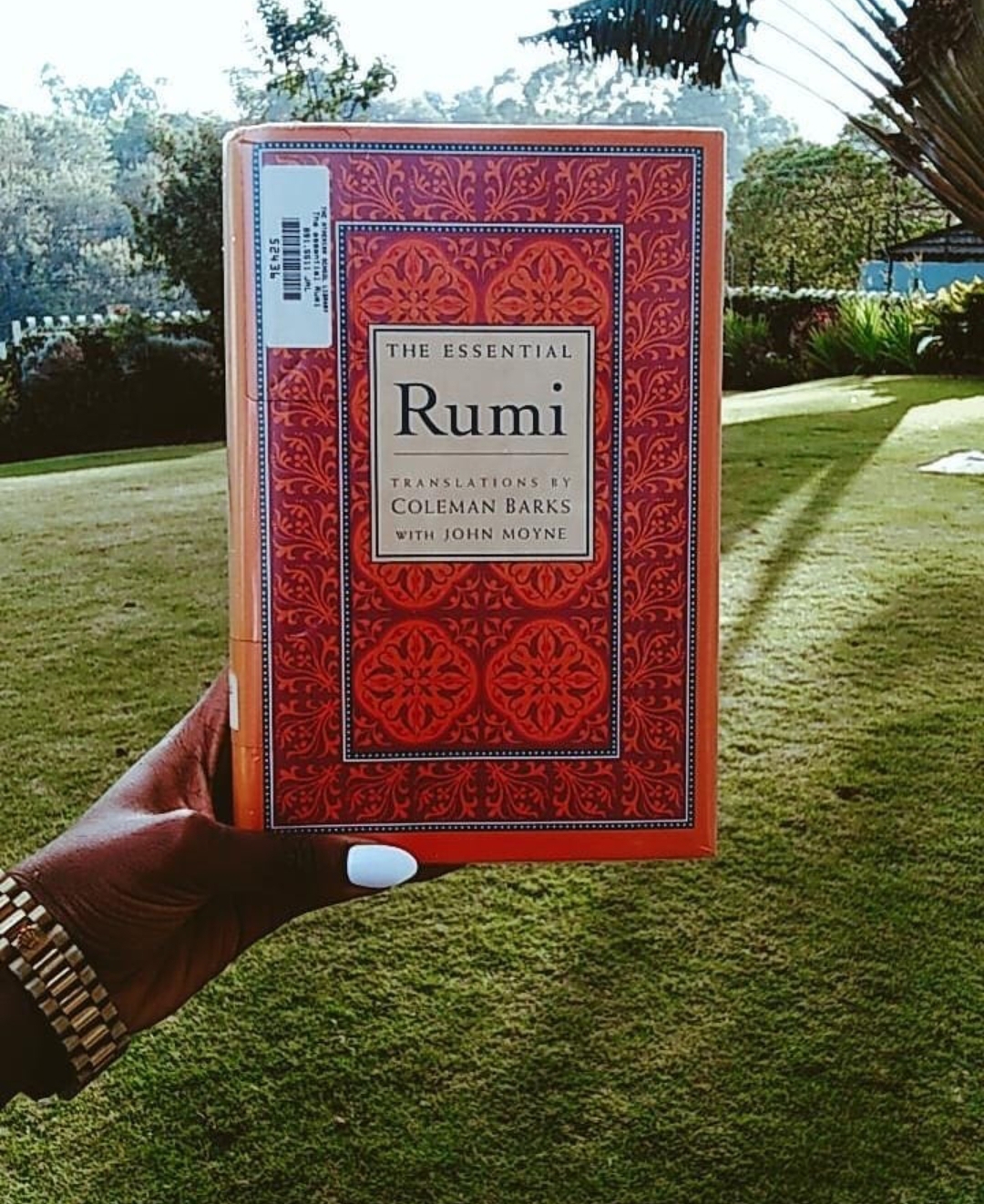
Below is a poem by the very spiritual Rumi which says it all about the act of seeking God. It’s from the book ‘The Essential’ which sleeps by my bedside daily. If you are able to buy this poetry book, you will most definitely find your way to authentic spirituality/worship/divine connection. For some it’s the Bible, for others it’s poetry.
False Prophets often claim to perform miracles or offer solutions to problems that cannot be solved through faith alone. This can lead to people neglecting medical or practical solutions in favor of spiritual ones, leading to worsened health outcomes or loss of life.
As of 3:25pm, 3rd May 2023, there have been 109 bodies retrieved in the Shakahola horror where people have starved themselves and their children in the name of getting into heaven, a false promise made by pastor Paul Mackenzie. The order of starvation goes like this; children, women then men. This is very ‘of the world’ and not so much ‘of the divine’ as perpetuated by the preacher. This man might not have strangled these people to death with his bare hands, but his false teachings have led vulnerable, desperate beings into starving themselves with the promise that through starving themselves, through Pastor Paul Mckenzie’s teaching, they will get straight into heaven if only they obey. This blind obedience is what I am against. If man has been given free will, then he has the ability to decide for himself whether something is false or real, and according to how enlightened that person is, they will either intelligently make an informed decision or follow blindly without any research and personal internal interrogation into the beliefs they are either being spoon-fed or shoved right down their throats. It all begins with the self. The awareness of their own divine connection to the limitless power of source. And, if they are not aware, they will look for outside sources to fill in the blanks. That’s how we end up so misled; it’s too tiresome to do self-work so others who are more woke take advantage and drag you through the mud of spiritual poverty disguised as spiritual abundance. Yes, they are woke. They know how to manipulate energy to their advantage, ut they abuse this wakeful state. They misuse and tear and spit on this grace. They mislead.
If God has given you free will, do you think you will be judged according to that free will or according to the mental shackles you have cast upon yourself in opposition to that very same free will?
Further into profit through spiritual rape, we come across a Congolese pastor, Dominique Khonde, who claims to produce miracle juice that cures AIDS, and cancer and brings the dead back to life. Among Konde’s followers are former presidents and their spouses. Leaders of nations that we look up to to steer us in the right direction are falling prey to religious manipulation. No one is exempt, no matter how spiritually strong you believe yourself to be. The pastor has bought himself range rovers with this supposed ‘miracle juice’ made of gasoline, lemon juice and other harmful substances, and built mansions for himself as his followers continue to languish in poverty all in the name of God. Sometimes I ask myself, do these people really fear the God they claim to believe in?
Thirdly, many of these religious leaders have been found to engage in sexual misconduct, exploiting their position of power to take advantage of vulnerable members of their congregations. This has resulted in trauma and mental health issues for victims, leading to a generational cycle of trauma in affected communities and further weakening people’s faith in the church.
According to reports in the media on Tuesday, a court in South Africa sentenced a Congolese pastor to 37 years in prison for multiple counts of rape and sexual assault involving five members of his church. The Gauteng High Court in Pretoria convicted Pastor Bafomba Willy Emeka, 48, of the God Is Love Ministry guilty last week and jailed him on Monday, the IOL news website states. According to the report, he was found guilty of living unlawfully in the nation, having a phony permanent residency permit, and 19 charges of rape and three instances of sexual assault. Are these the prophets God calls us to believe in? I think not.
WHY WE FALL FOR IT
You will never see someone from Kilimani starve themselves to death over the orders of their pastor but when you go right down to Shakahola, a place ridden with poverty-stricken, uneducated people, we have seen 109 bodies and continue to unearth more. So, why are the poor more susceptible to spiritual manipulation?
Poverty and lack of education can create a sense of hopelessness, leading people to seek comfort and guidance in religion. Unfortunately, this vulnerability can make them targets for religious leaders who offer promises of salvation or prosperity. Lack of education can also make individuals susceptible to manipulation by authoritative religious figures who discourage critical thinking and independent thought. Moreover, religion can be used as a tool for social control, with leaders using their religious authority to justify their actions and discourage dissent.
If the likes of Bishop Allan and Revered Kathy Kiuna of Jubilee Christian Church were to go down to Shakahola to preach to these people instead, do you think they will come out of there running into the forest to dig their graves? No. They will be empowered to change their lives. Instead of preaching about the horrors of Shakahola from the castles of their churches, let them set up camp for a week in Shakahola and educate those people so they don’t fall prey to the next Mckenzie. Now that is doing God’s work.
NOW WHAT?
The solution to this problem lies in promoting critical thinking and encouraging people to become conscious beings. This means questioning religious teachings and leaders, being aware of the impact of their actions, and promoting ethical and moral values that prioritize the welfare of people over profit or personal gain.
To combat religious manipulation, it is crucial to address the root causes of poverty and lack of education. This includes improving access to education and economic opportunities, which can empower individuals to develop the critical thinking skills and independence needed to resist manipulation. Promoting open dialogue about religious beliefs and encouraging tolerance and respect for diverse perspectives are also important steps towards creating a society that is less susceptible to religious manipulation.
Education is key to this process. Governments and non-governmental organizations must invest in promoting critical thinking and empowering people with the knowledge and tools they need to make informed decisions. This can be done through education initiatives that promote critical thinking, ethical values, and awareness of religious exploitation.
Additionally, religious institutions must be held accountable for the actions of their leaders. Governments should establish regulatory bodies to monitor religious institutions and ensure that they are not engaging in harmful practices.
Blind faith in false prophets has led to immense harm in African societies. It is time for people to become conscious beings and question the actions and teachings of their religious leaders. By promoting critical thinking and ethical values, we can create a society that prioritizes the welfare of people and is free from the harm caused by religious exploitation.
Consciousness is an essential aspect of the human experience, shaping our beliefs, values, and behaviors, including our religious beliefs and practices. From the earliest recorded history, humans have sought answers to existential questions, such as the meaning of life, through religious beliefs and practices. In this article, we explore the intersection of consciousness and religion, examining how the two are intertwined and how they impact each other.
At its core, religion is a set of beliefs and practices that seek to answer the fundamental questions of human existence. These questions include the nature of God, the purpose of life, and the afterlife. Religion also provides a moral and ethical framework that guides believers’ behavior and helps them navigate life’s challenges.
Consciousness, on the other hand, refers to our ability to be aware of our thoughts, feelings, and surroundings. It is a fundamental aspect of our existence, shaping how we perceive the world around us and how we interact with it.
The intersection of consciousness and religion is complex, with each impacting the other in profound ways. Religious beliefs and practices can shape our consciousness, influencing our perceptions, emotions, and behavior. Similarly, our consciousness can shape our religious beliefs and practices, affecting how we interpret and apply religious teachings. Hence, those who starved themselves in an effort to get a straight ticket to heaven should not be judged because they acted upon their own level of understanding. That is why it is crucial to educate ourselves.
One of the ways religion impacts consciousness is through spiritual practices such as meditation, prayer, and ritual. These practices can alter our consciousness, leading to altered states of awareness and heightened spiritual experiences. For example, meditation can increase feelings of well-being and reduce stress, while prayer can promote feelings of connectedness with a higher power, and starvation, through mental manipulation, can lead one to death though the starved think they are being led to eternal life.
Conversely, our consciousness can shape our religious beliefs and practices. Our perceptions of the world, our emotional experiences, and our cognitive processes can influence how we interpret religious teachings and how we apply them in our lives. For example, individuals who experience a profound sense of interconnectedness with the world around them may be more likely to interpret religious teachings in a way that emphasizes compassion and interconnectedness. If you happen to follow a pastor/prophet who does not operate by these Godly universal rules of love and compassion, then I think it’s best to believe that this person is a false prophet because at the end of the day, what is $500 to God? What is one million dollars to the God of every living and non-living thing in this universe? The biggest and I believe, only price one can pay when it comes to matters of spirituality, is calculated in spirit, not monetary wealth. Anyone who tells you otherwise is a false prophet.
The intersection of consciousness and religion also impacts ethical decision-making. Religion provides a moral and ethical framework that guides believers’ behavior and helps them navigate life’s challenges. However, our consciousness also plays a crucial role in ethical decision-making, shaping our perceptions of right and wrong and influencing our behavior. For example, our ability to empathize with others and feel compassion for them can motivate us to act in ways that promote social justice and human welfare, case and point this particular article that is meant to wake you up!!!
The intersection of consciousness and religion is complex and multifaceted, with each impacting the other in profound ways. Understanding this intersection can help us gain a deeper appreciation of the human experience and the role that religion plays in shaping our perceptions, beliefs, and behaviors. Ultimately, it can also help us live more meaningful and fulfilling lives without being misled by false prophets who claim to act in the name of God while really, they’re just acting in the name of their own selfish greed.
"Evil men are found among my people. They lie in wait like someone who traps birds. They set a trap, but they do so to catch people."
Jeremiah 5:26
That’s it! Wake up. God will come to you through your very own heart. Do not seek outside sources for this, and if t happens that you do need these outside sources to wake you up, investigate and judge accordingly, but do not fall blindly into a bad human trap because of your own blindness, because, even as the bible says, you will be judged for that.
Are you trapped?
You need this book
For centuries, human beings have been drawn to the idea of a messenger of the divine, one who is chosen to guide and lead humanity on a path towards righteousness. But is this notion rooted in reality or is it simply a product of our collective imagination?
At its core, the idea of a prophet of God rests on the assumption that there is a higher power that is responsible for the creation and maintenance of the universe. This power is often referred to as God or Allah, depending on one’s religious tradition. Prophets are believed to be chosen by this divine being to serve as messengers, delivering important messages to the people of the world.
But what does it mean to be a prophet of God? Is it simply a matter of receiving a divine message and passing it on to others? Or is there something more to the experience of being chosen as a prophet?
For many believers, the experience of being a prophet is one of profound spiritual transformation. Prophets are said to have a direct connection to the divine, allowing them to receive messages and guidance that is not available to others. This connection is often described as a deep sense of inner peace and a heightened sense of awareness of the world around them.
But this heightened state of consciousness is not without its challenges. Prophets are often called upon to deliver messages that are unpopular or controversial, and their message is frequently met with resistance and even hostility. This can be a lonely and isolating experience, as prophets often find themselves at odds with the rest of society.
Despite these challenges, the idea of a prophet of God continues to hold a powerful sway over the human imagination. For many, the notion of a chosen one who is guided by a higher power is a source of hope and inspiration in an otherwise chaotic and uncertain world. It provides a sense of order and purpose, and serves as a reminder that there is a greater meaning and purpose to our lives.
But for others, the idea of a prophet of God is deeply problematic. They argue that the concept is rooted in a patriarchal and hierarchical view of the world, one that places certain individuals above others based on their perceived connection to the divine. They point out that throughout history, the idea of a prophet has been used to justify wars, persecution, and other forms of violence and oppression.
In the end, the question of whether or not there are prophets of God is one that is unlikely to be answered definitively. It is a topic that will continue to be debated and discussed for centuries to come, as human beings strive to understand the nature of consciousness and our place in the universe. What is certain, however, is that the intersection of consciousness and religion will remain a fertile ground for exploration and discovery, as we seek to uncover the deepest truths about ourselves and our world.
11 Books and My Mum Still Can’t Believe I’m Not a Doctor!
Let’s go where the light does not reach. There’s a forest in Japan that swallows sound. Aokigahara, the suicide forest. So quiet you can hear the trees creaking. Mourning those who have gone there to disappear. Compasses don’t work. No roots grow deep in this forest at the base of
The water has no mind to retain the image cast upon it. Suffering, according to my understanding, is untranslated desire. Simply put, you wanted something to go left, it went right, and now you suffer in your own mind. The human experience is an intricate tapestry woven with threads of
Shortlisted For The Wakini Kuria Prize For Children’s Literature in 2021 Mama looked so pretty that day. No one would have suspected that we had slept hungry the previous day. Daddy didn’t come home again but mama didn’t seem too broken down by this that day. When I went out
I My secret is placed on your cheekand mistakes have blown with the windin this place where we’re in a kissI blow you my love, and when it lands on your cheekit’s my heart that next wants a kissit’s my lips that call out to your lipsand my hands are
 Skip to content